Solar Panel
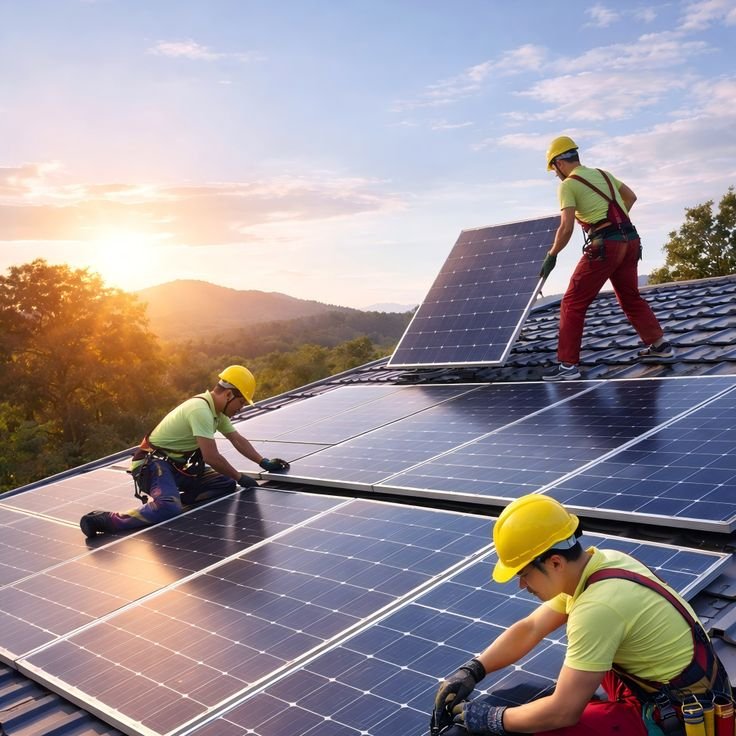
A solar panel is a device that converts sunlight into electricity by using photovoltaic (PV) cells. PV cells are made of materials that produce excited electrons when exposed to light. These electrons flow through a circuit and produce direct current (DC) electricity, which can be used to power various devices or be stored in batteries. Solar panels are also known as solar cell panels, solar electric panels, or PV modules.
Solar panels are usually arranged in groups called arrays or systems. A photovoltaic system consists of one or more solar panels, an inverter that converts DC electricity to alternating current (AC) electricity, and sometimes other components such as controllers, meters, and trackers. Most panels are in solar farms or rooftop solar panels which supply the electricity grid.
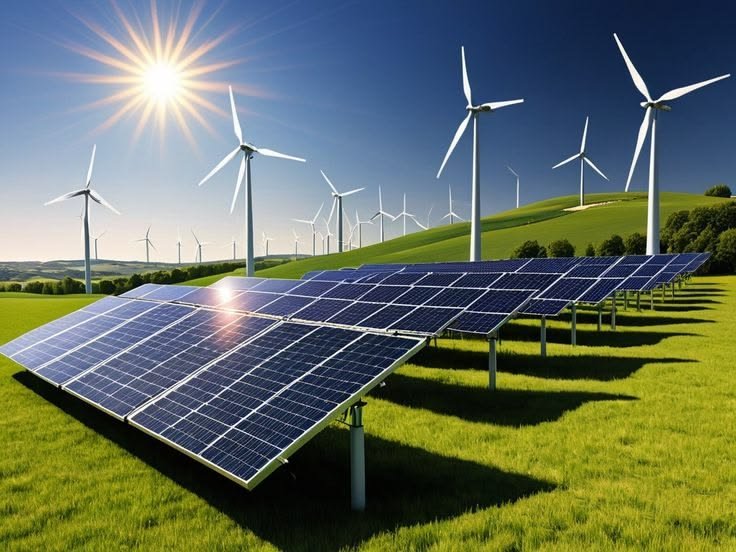
Some advantages of solar panels are that they use a renewable and clean source of energy, reduce greenhouse gas emissions, and lower electricity bills. Some disadvantages are that they depend on the availability and intensity of sunlight, require cleaning, and have high initial costs. Solar panels are widely used for residential, commercial, and industrial purposes, as well as in space, often together with batteries
The Birth of Photovoltaics
The true potential of solar energy began to be realized with the discovery of the photovoltaic effect in the 19th century. In 1839, French physicist Edmond Becquerel observed that certain materials would produce a small electric current when exposed to light. This phenomenon, known as the photovoltaic effect, is the principle upon which modern solar cells operate.
Becquerel’s discovery was groundbreaking, but it remained a scientific curiosity for many years due to the lack of efficient materials to harness this effect. It wasn’t until 1883 that the first genuine solar cell was built by an American inventor, Charles Fritts. He coated selenium, a semi-conductive material, with a thin layer of gold to form a device that produced electricity from light. However, these early solar cells were inefficient and not practical for widespread use.
Solar Cells History
The story of solar cells began much earlier than the mid-20th century. In fact, it was in 1883 that the first solar cell was created by an inventor named Charles Fritts. Fritts coated selenium, a semi-conductive material, with a thin layer of gold to form the junctions of the solar cell. This was the first instance of sunlight being converted into electricity without the need for heat or moving parts.
However, these early solar cells were quite inefficient, with an energy conversion rate of only about 1%. Despite this, Fritts’ pioneering work laid the groundwork for the development of modern photovoltaic technology. It demonstrated the potential of solar energy and sparked interest in improving the technology.
In 1839, the ability of some materials to create an electrical charge from light exposure was first observed by the French physicist Edmond Becquerel. Though these initial solar panels were too inefficient for even simple electric devices, they were used as an instrument to measure light.
The observation by Becquerel was not replicated again until 1873, when the English electrical engineer Willoughby Smith discovered that the charge could be caused by light hitting selenium. After this discovery, William Grylls Adams and Richard Evans Day published “The action of light on selenium” in 1876, describing the experiment they used to replicate Smith’s results.
In 1881, the American inventor Charles Fritts created the first commercial solar panel, which was reported by Fritts as “continuous, constant and of considerable force not only by exposure to sunlight but also to dim, diffused daylight”. However, these solar panels were very inefficient, especially compared to coal-fired power plants.
In 1939, Russell Ohl created the solar cell design that is used in many modern solar panels. He patented his design in 1941. In 1954, this design was first used by Bell Labs to create the first commercially viable silicon solar cell.
Solar panel installers saw significant growth between 2008 and 2013. Due to that growth many installers had projects that were not “ideal” solar roof tops to work with and had to find solutions to shaded roofs and orientation difficulties. This challenge was initially addressed by the re-popularization of micro-inverters and later the invention of power optimizers.
Solar panel manufacturers partnered with micro-inverter companies to create AC modules and power optimizer companies partnered with module manufacturers to create smart modules. In 2013 many solar panel manufacturers announced and began shipping their smart module solutions.
The Solar Revolution
The 1970s marked a significant turning point in the History and Evolution of Solar Energy. The decade was characterized by an energy crisis, triggered by the oil embargo of 1973. This event led to a severe shortage of petroleum-based energy sources and skyrocketing fuel prices. It was a wake-up call for the world, highlighting the dangers of over-reliance on finite and geopolitically concentrated energy resources.
In response to the crisis, there was a renewed interest in alternative, renewable energy sources, with solar power being one of them. Governments and private companies around the world began to recognize the potential of solar energy and started investing heavily in solar research. This period of intense focus and investment in solar technology led to significant advancements in the field and a dramatic decrease in the cost of solar cells.
In the United States, this renewed focus on solar energy led to the establishment of the Solar Energy Research Institute in 1977. This institute, now known as the National Renewable Energy Laboratory (NREL), has been at the forefront of solar energy research and development. The NREL has played a crucial role in advancing solar technology, making it more efficient, affordable, and accessible.
The energy crisis of the 1970s, therefore, sparked a solar revolution. It shifted the world’s attention towards renewable energy sources and accelerated the pace of research and development in solar technology. This period laid the foundation for the modern solar industry and marked a significant chapter in the History and Evolution of Solar Energy. It is a testament to the human spirit of innovation and resilience in the face of challenges. As we continue to grapple with the energy needs of a growing global population and the impacts of climate change, the lessons from this solar revolution remain more relevant than ever.
Modern Solar Technology
In the current era, solar technology has evolved significantly, making it a viable alternative to traditional energy sources. The History and Evolution of Solar Energy has seen remarkable advancements, particularly in the efficiency of solar cells and the design of solar panels.
One of the key advancements in solar technology is the development of more efficient solar cells. Scientists and engineers have been continually working on improving the efficiency of solar cells to convert a higher percentage of sunlight into electricity. This has been achieved through advances in photovoltaic materials, including the use of new types of silicon and the development of thin-film solar cells.
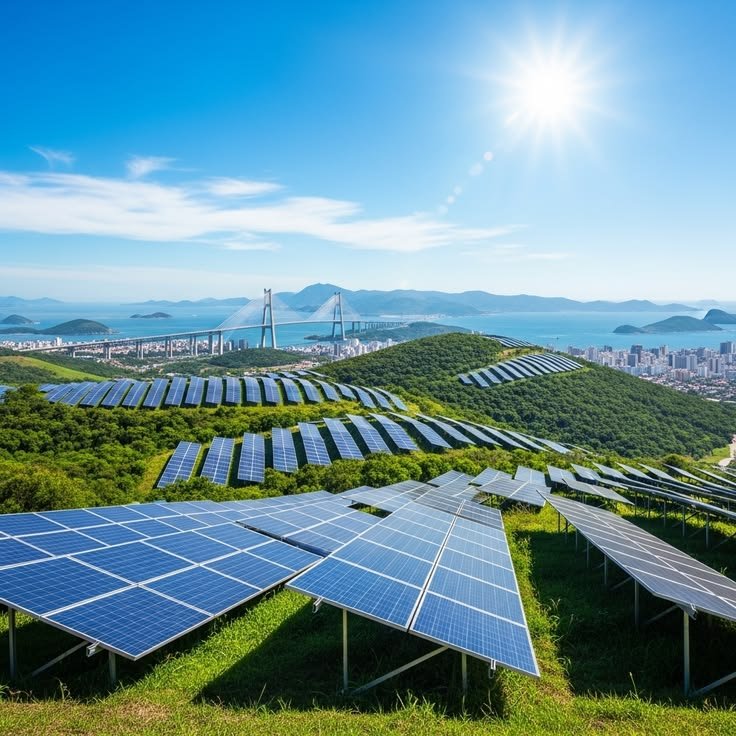
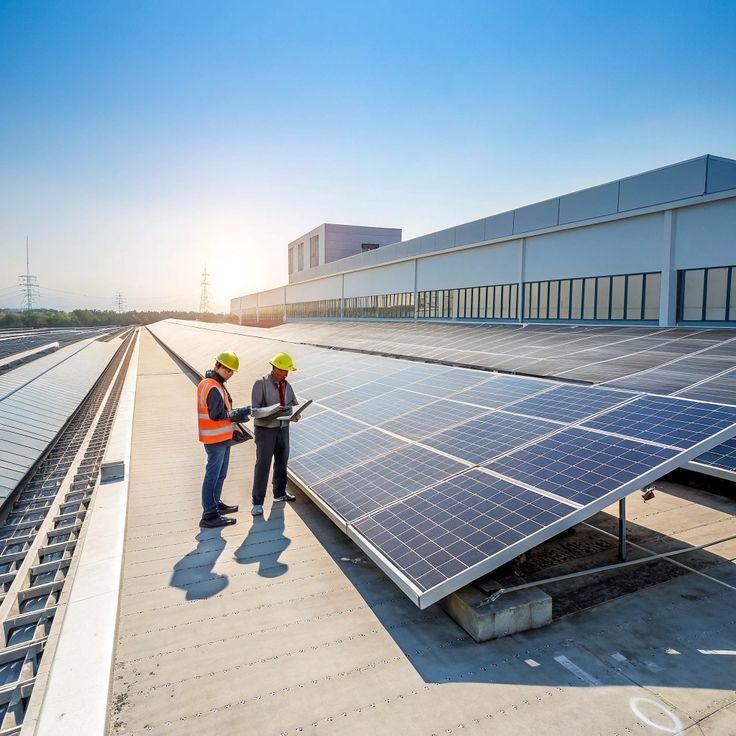
In addition to individual solar cells, there has been a rise in the development and use of solar farms. These are large-scale installations of solar panels that can generate electricity on a much larger scale than individual rooftop panels. Solar farms can be found in many parts of the world, harnessing the power of the sun to generate electricity for thousands of homes and businesses.
The current trends in solar energy also point towards increasing affordability of solar panels. The cost of solar panels has been decreasing over the years, making it more accessible to a larger number of people. This trend is expected to continue, making solar power an increasingly popular choice for both residential and commercial use.
Another important trend is the integration of solar power into the grid. This involves connecting solar power systems to the existing power grid, allowing excess electricity generated by solar panels to be fed back into the grid. This not only provides a reliable source of electricity but also helps to reduce the overall demand for electricity from traditional sources.
Furthermore, solar power is now used in a variety of applications, from powering homes and businesses to charging electric vehicles. This wide range of applications demonstrates the versatility of solar power and its potential to significantly contribute to a sustainable energy future.
In conclusion, the modern era of solar technology is characterized by significant advancements and promising trends. As research and development continue, we can expect to see even more improvements in solar technology, making it an increasingly important part of our energy landscape.
The Future of Solar Energy
The future of solar energy is bright and full of potential. As we continue to innovate and push the boundaries of what’s possible, we can expect to see even more efficient and cost-effective solar technologies in the coming years.
One of the most exciting potential developments in solar energy is its use for transportation. Electric vehicles are becoming increasingly popular, and the idea of using solar power to charge these vehicles is gaining traction. Imagine a world where cars, buses, and trains are powered by the clean, renewable energy of the sun. This could significantly reduce our reliance on fossil fuels and help to mitigate the effects of climate change.
Another promising development is the concept of solar-powered smart grids. These are electricity supply networks that use digital technology to detect and react to changes in usage. Integrating solar power into these smart grids could improve their efficiency and reliability. During the day, excess electricity generated by solar panels could be fed into the grid. This electricity could then be used during periods of high demand or stored for use during the night or on cloudy days.
However, the path to a solar-powered future is not without its challenges. One of the main challenges is the intermittent nature of solar power. The sun doesn’t shine all the time, and so we need to find effective ways to store solar energy for use when it’s not sunny. Advances in battery technology are helping to address this issue, but there is still much work to be done.
Another challenge is the need for more efficient solar cells. While we’ve made great strides in improving the efficiency of solar cells, there’s still room for improvement. Research is ongoing into new materials and designs that could help to increase the amount of sunlight that solar cells can convert into electricity.
Despite these challenges, the opportunities presented by solar energy are immense. As we continue to face the realities of climate change and the need for sustainable energy sources, solar power will undoubtedly play an increasingly important role in our energy mix. The History and Evolution of Solar Energy shows us how far we’ve come, and the future promises to be even brighter. As we harness the power of the sun, we’re not just powering our homes and businesses – we’re powering a sustainable future for all.
Detailed decade-wise table for the History and Evolution of Solar Energy
| Dacade | Key Developments |
|---|---|
| 1830s | French physicist Edmond Becquerel discovered the photovoltaic effect, which is the creation of voltage or electric current in a material upon exposure to light. |
| 1880s | American inventor Charles Fritts created the first solar cell using selenium coated with a thin layer of gold. This marked the first instance of sunlight being converted into electricity without heat or moving parts. |
| 1950s | Bell Labs developed the first practical solar cell using silicon, a semiconductor. This solar cell had an efficiency rate of around 6%, a significant improvement over Fritts’ cells. |
| 1960s | The space age saw the use of solar cells in space technology. The Vanguard 1 satellite, launched in 1958, was the first to use solar cells for power, demonstrating the practicality of solar power in space. |
| 1970s | The oil embargo of 1973 led to a renewed interest in solar power. Governments and private companies invested heavily in solar research, leading to significant advancements in solar technology. The Solar Energy Research Institute (now known as the National Renewable Energy Laboratory) was established in the United States in 1977. |
| 1980s to 2000s | This period saw significant advancements in solar technology and a dramatic decrease in the cost of solar cells. More efficient solar cells were developed, and solar farms began to rise. |
| 2010s to present | The modern era of solar technology is characterized by the development of more efficient solar cells and solar farms, increasing affordability of solar panels, and integration of solar power into the grid. |
India’s History with Solar Energy
India’s history with solar energy stretches back centuries, from ancient texts and architectural marvels like the Sun Temple of Konark to traditional practices like solar cookers. Modern solar energy development began in the 1980s with government initiatives and the establishment of the Ministry of New and Renewable Energy (MNRE). Since then, India has made significant strides in solar power generation, with a focus on both large-scale projects and decentralized systems.
Early History and Development:
· Ancient Roots: The concept of solar energy was present in ancient Indian texts and practices, with architectural wonders like the Sun Temple of Konark showcasing early attempts at harnessing solar power.
· Government Initiatives: In 1982, the Indian government established the Department of Non-conventional Energy Sources, which later evolved into the Ministry of New and Renewable Energy (MNRE) to promote renewable energy, including solar power.
· Public Sector Involvement: Public sector companies like Central Electronics Limited (CEL) played a crucial role in the early stages of solar energy development, manufacturing solar cells, modules, and pumps.
· Oil Crisis and Policy Changes: The oil crisis of the 1970s and 1980s highlighted India’s reliance on imported oil and prompted the need for alternative energy sources, including solar power.
· Early Policies: The Electricity Act 2003, National Electricity Policy 2005, and other policies aimed at promoting renewable energy and providing incentives for solar power development.
Key Milestones and Developments:
· Rise of Solar Power: India’s solar power generation capacity has seen significant growth, rising from a few megawatts in the early 2000s to over 50 GW by 2024.
· Jawaharlal Nehru National Solar Mission (JNNSM): This mission, launched in 2010, provided a major push for solar power development, including the establishment of solar parks and incentives for investors.
· Rooftop Solar: The development of rooftop solar systems has been a key focus, offering a decentralized and cost-effective way to generate electricity.
· Floating Solar Plants: India has also made strides in developing floating solar plants, with large-scale projects like the NTPC Ramagundam plant in Telangana.
· State-Level Policies: Several states have implemented their own solar policies, further accelerating solar power development.
Current Status and Future Vision:
· India’s Solar Capacity: As of early 2025, India’s installed solar capacity exceeds 100 GW, with significant capacity under implementation and tendering.
· Renewable Energy Targets: India has set a target to achieve 500 GW of installed electricity capacity from renewable sources by 2030, with solar power playing a crucial role.
· Technological Advancements: India is embracing advanced solar technologies, including bifacial panels, high-efficiency photovoltaic cells, and solar tracking systems.
· Focus on Decentralized Systems: There is a growing focus on decentralized solar systems, including rooftop solar and solar-powered off-grid solutions.
· Future Potential: India’s vast solar resource potential and government commitment to renewable energy make it a leader in solar innovation and sustainable energy solutions.
On Grid Solar System
An on-grid solar system (also called a grid-tied solar system) is a solar power system that is connected directly to the electricity grid. It generates electricity from sunlight and uses the grid as a backup when solar production is insufficient.
How it works
Solar panels capture sunlight and generate DC (direct current) electricity.
A grid-tie inverter converts DC electricity into AC (alternating current) for home or business use.
Your home uses the solar power first.
Any extra electricity is exported to the utility grid through a net meter (where net metering is available).
At night or on cloudy days, when solar production is low, electricity is automatically drawn from the grid.
Main components
· Solar panels
· Grid-tie inverter
· Mounting structure
· DC and AC protection devices
· Net meter
· Electrical wiring and connectors
Advantages
· Lower electricity bills.
· No batteries required, making it more affordable than hybrid or off-grid systems.
· Low maintenance.
· Excess electricity can earn bill credits through net metering (subject to your local utility’s rules).
· Environmentally friendly and reduces carbon emissions.
Disadvantages
· Does not provide backup power during a power outage. For safety reasons, the inverter shuts down automatically when the grid fails.
· Performance depends on sunlight.
· Requires a utility grid connection.
Who should choose an on-grid system?
An on-grid solar system is ideal if:
· You have a reliable electricity supply.
· You want to reduce your electricity bills.
· You don’t need backup power during outages.
· Your area supports net metering.
Typical system sizes
| System Size | Suitable For | Approx. Monthly Generation* |
|---|---|---|
| 2 kW | Small home | 220–280 kWh |
| 3 kW | Small family | 330–420 kWh |
| 5 kW | Medium home | 550–700 kWh |
| 10 kW | Large home/small business | 1,100–1,400 kWh |
*Actual generation depends on location, weather, panel orientation, and shading.
Off Grid Solar System
An off-grid solar system is a standalone solar power system that operates without any connection to the electricity grid. It generates, stores, and supplies electricity independently, making it ideal for remote locations or places with unreliable grid power.
How it works
Solar panels generate DC electricity from sunlight.
A solar charge controller regulates the charging of the batteries.
Batteries store the electricity for use at night or during cloudy weather.
An off-grid inverter converts the battery’s DC power into AC power for household appliances.
Your home uses electricity from the solar panels and batteries, with no reliance on the utility grid.
Main components
· Solar panels
· MPPT or PWM charge controller
· Battery bank (lithium-ion or lead-acid)
· Off-grid inverter
· Mounting structure
· Protection devices (fuses, circuit breakers, surge protection)
· Electrical wiring
Advantages
· Complete independence from the electricity grid.
· Provides power even in areas where grid electricity is unavailable.
· Continues supplying electricity during grid outages because it relies on stored battery power.
· Suitable for remote homes, farms, telecom sites, and cabins.
Disadvantages
· Higher initial cost due to batteries.
· Batteries need maintenance or replacement after several years (depending on the battery type).
· System must be carefully sized to meet your energy needs.
· Limited power during long periods of poor sunlight unless you have sufficient battery capacity or a backup generator.
Typical applications
· Remote villages and farmhouses
· Mountain cabins
· Agricultural water pumps
· Mobile homes and RVs
· Construction sites
· Telecom towers
Typical system sizes
| System Size | Suitable For | Battery Requirement (Typical) |
|---|---|---|
| 1–2 kW | Small cabin/basic home | 2–5 kWh |
| 3–5 kW | Average home | 5–15 kWh |
| 8–10 kW | Large home/small business | 15–30+ kWh |
The exact battery capacity depends on how many hours or days of backup you want.
On-grid vs. Off-grid
| Feature | On-grid | Off-grid |
|---|---|---|
| Grid connection | Required | Not required |
| Batteries | Usually not needed | Required |
| Works during power outage | No | Yes |
| Initial cost | Lower | Higher |
| Electricity bill | Reduced | Can be eliminated if fully off-grid |
| Best for | Areas with reliable grid power | Remote areas or unreliable grid supply |
Hybrid Solar System
A hybrid solar system combines the features of both on-grid and off-grid systems. It is connected to the electricity grid and includes batteries for energy storage, allowing you to use solar power, store excess energy, and have backup power during outages.
How it works
Solar panels generate electricity during the day.
Your home uses the solar power first.
Any excess solar energy charges the battery.
Once the battery is full, extra electricity can be exported to the grid (where net metering is available).
At night or during power cuts, the battery supplies electricity to your home.
If both solar generation and battery power are insufficient, the system automatically draws power from the grid.
Main components
· Solar panels
· Hybrid solar inverter
· Battery bank (typically lithium-ion or lead-acid)
· Mounting structure
· Protection devices (MCBs, surge protection, isolators)
· Net meter (if exporting electricity to the grid)
· Electrical wiring
Advantages
· Lower electricity bills through solar generation.
· Backup power during grid outages.
· Better use of solar energy by storing excess production.
· Can export surplus electricity to the grid if permitted.
· Flexible and reliable for areas with frequent power cuts.
Disadvantages
· Higher upfront cost than an on-grid system because of the batteries.
· Batteries eventually need replacement.
· Installation and system design are more complex.
Typical applications
· Homes with frequent power cuts.
· Small businesses needing uninterrupted power.
· Hospitals, clinics, and offices with critical loads.
· Rural areas with unreliable grid supply.
Comparison
Feature | On-grid | Off-grid | Hybrid |
|---|---|---|---|
Grid connection | ✅ | ❌ | ✅ |
Battery backup | ❌ | ✅ | ✅ |
Works during power outage | ❌ | ✅ | ✅ |
Initial cost | Low | High | Medium–High |
Electricity bill savings | High | Not applicable | High |
Best for | Reliable grid | No grid | Unreliable grid |
☀️ Need Help with Solar Panels?
For any solar panel enquiry, pricing, installation, product details, or consultation, feel free to contact us.
📞 Call: +91-9411787933
💬 WhatsApp: +91-9411787933
Our team will be happy to assist you with the right solar solution for your requirements.
Get in touch with us today and take a step towards smarter, cleaner energy! 🌱⚡